(Updated: ) · Admin · 6 min read
Bridges to Capital: Aligning Enterprise Software Architecture with the URIIS 2026 Innovation Agenda
An institutional post-mortem of the URIIS 2026 Roadshow (Borneo Leg). Discover how forward-thinking tech architects translate regional research breakthroughs, SDEC smart initiatives, and matching grant frameworks into investible enterprise software assets.
Interactive Regional Research Commercialization & Grant Match Simulator
Adjust the project research domain, academic partner parameters, and intended industrial deployment metrics below to evaluate funding match probabilities, track projected compliance pathways, and map your institutional ROI vectors against regional technology grants in real time:
URIIS 2026 Innovation Alignment
Configure research parameters to estimate matching grant capabilities under Sarawak SDEC and i-CATS mandates.
The Innovation Bottleneck: Moving Academic Tech Past the Lecture Stage
For technology directors, enterprise architects, and corporate product stakeholders in Malaysia, the ultimate barrier to growth is not a lack of intellectual property. The true bottleneck lies within the structural friction zone where deep, complex academic research struggles to transform into stable, investible, production-grade enterprise software applications.
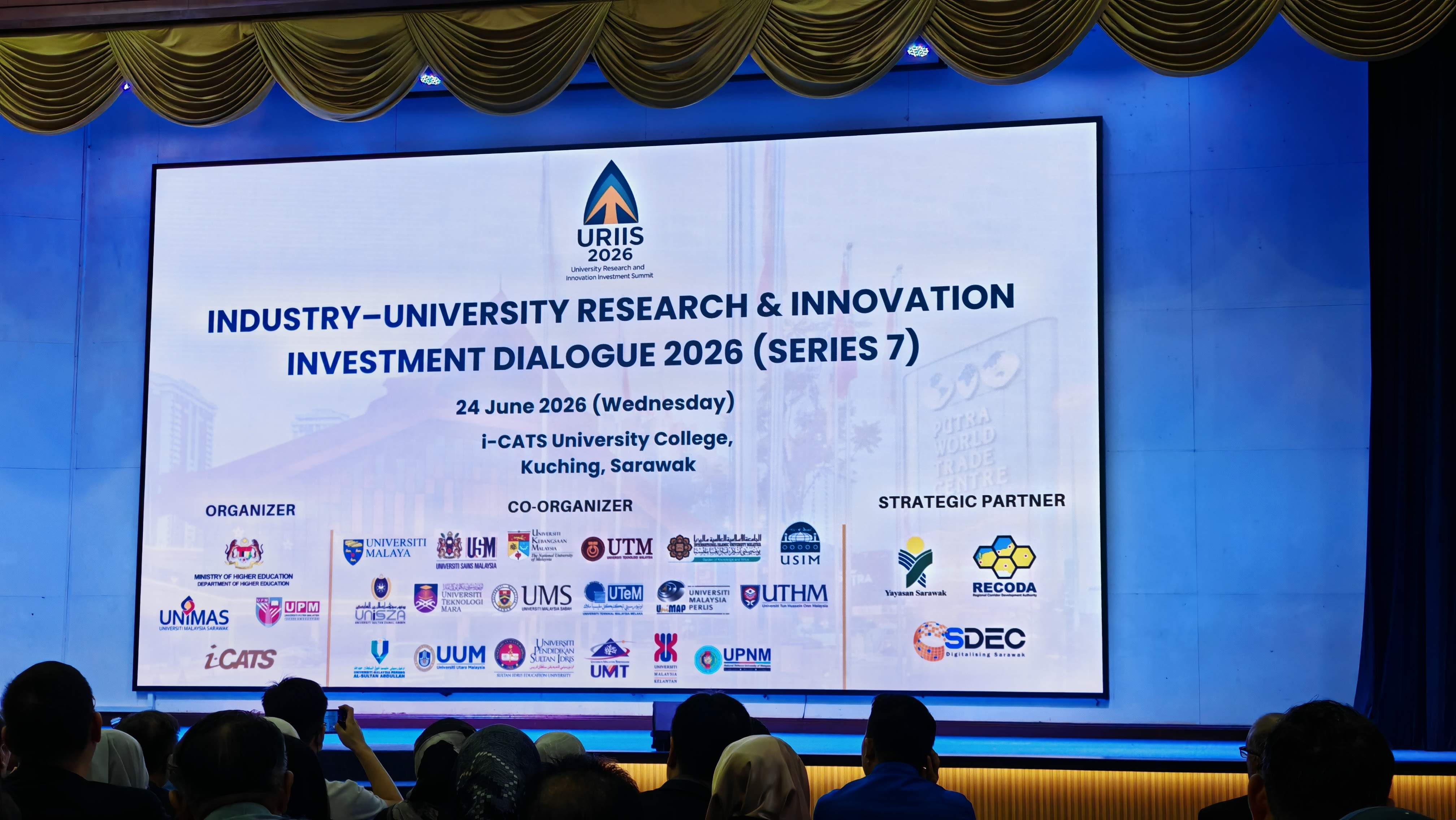
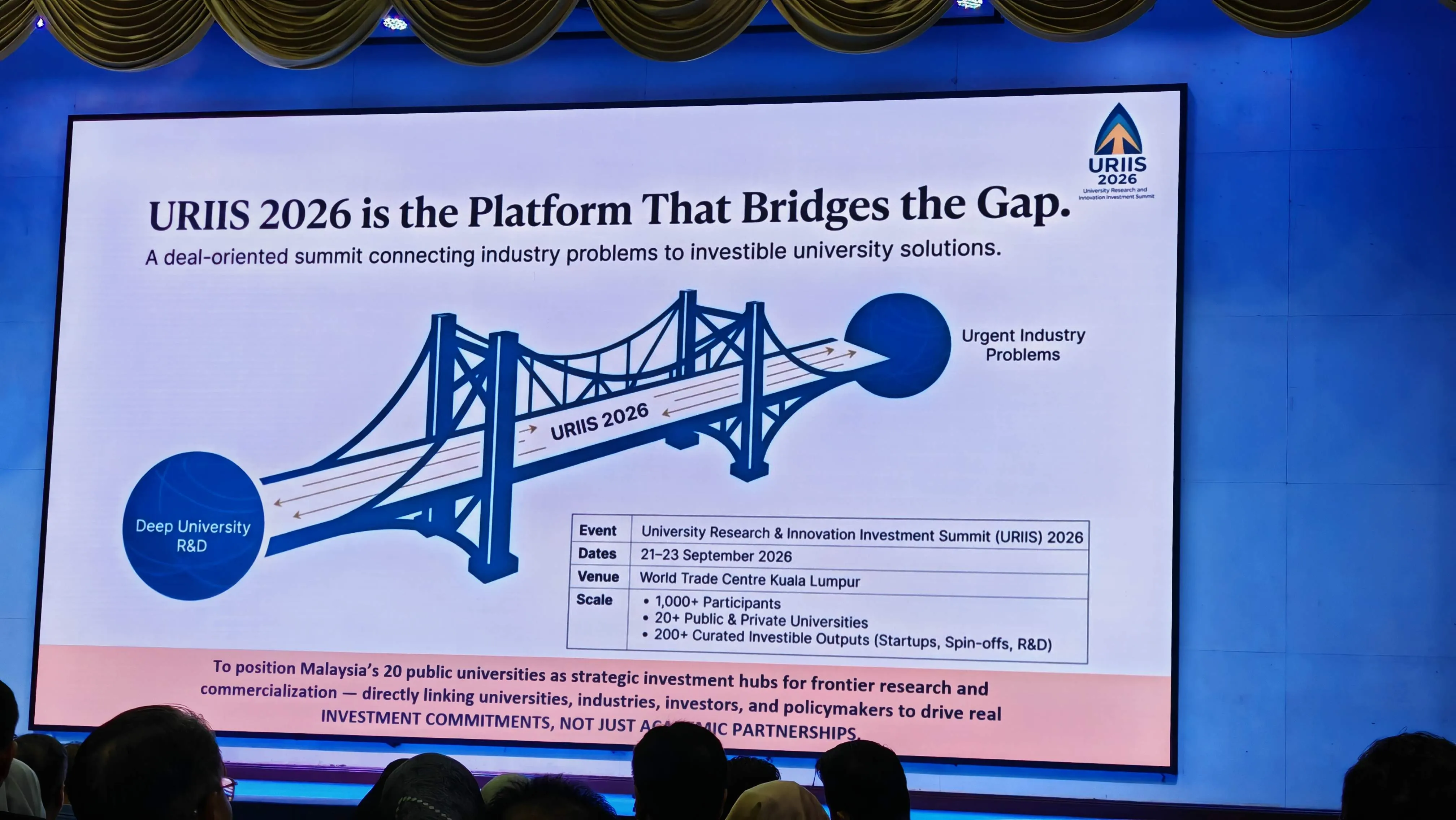
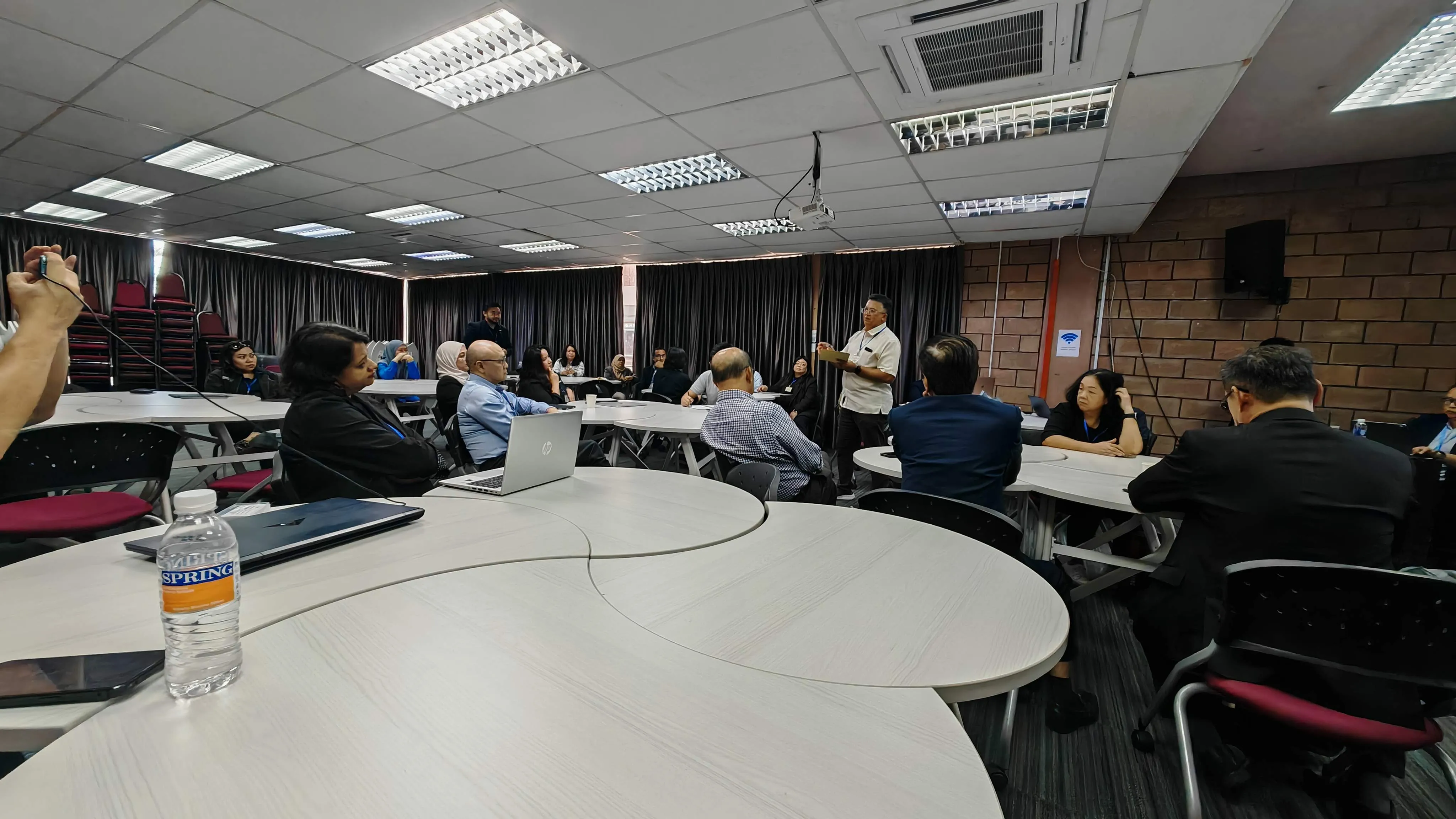
The University Research & Innovation Investment Summit (URIIS 2026 Series 7 Roadshow - Borneo Leg), hosted at i-CATS University College in Kuching, Sarawak, brought this exact operational gap to light. This deal-oriented summit moved past purely theoretical discussions, forcing a national focus on linking deep university R&D directly with urgent, investible industrial needs.
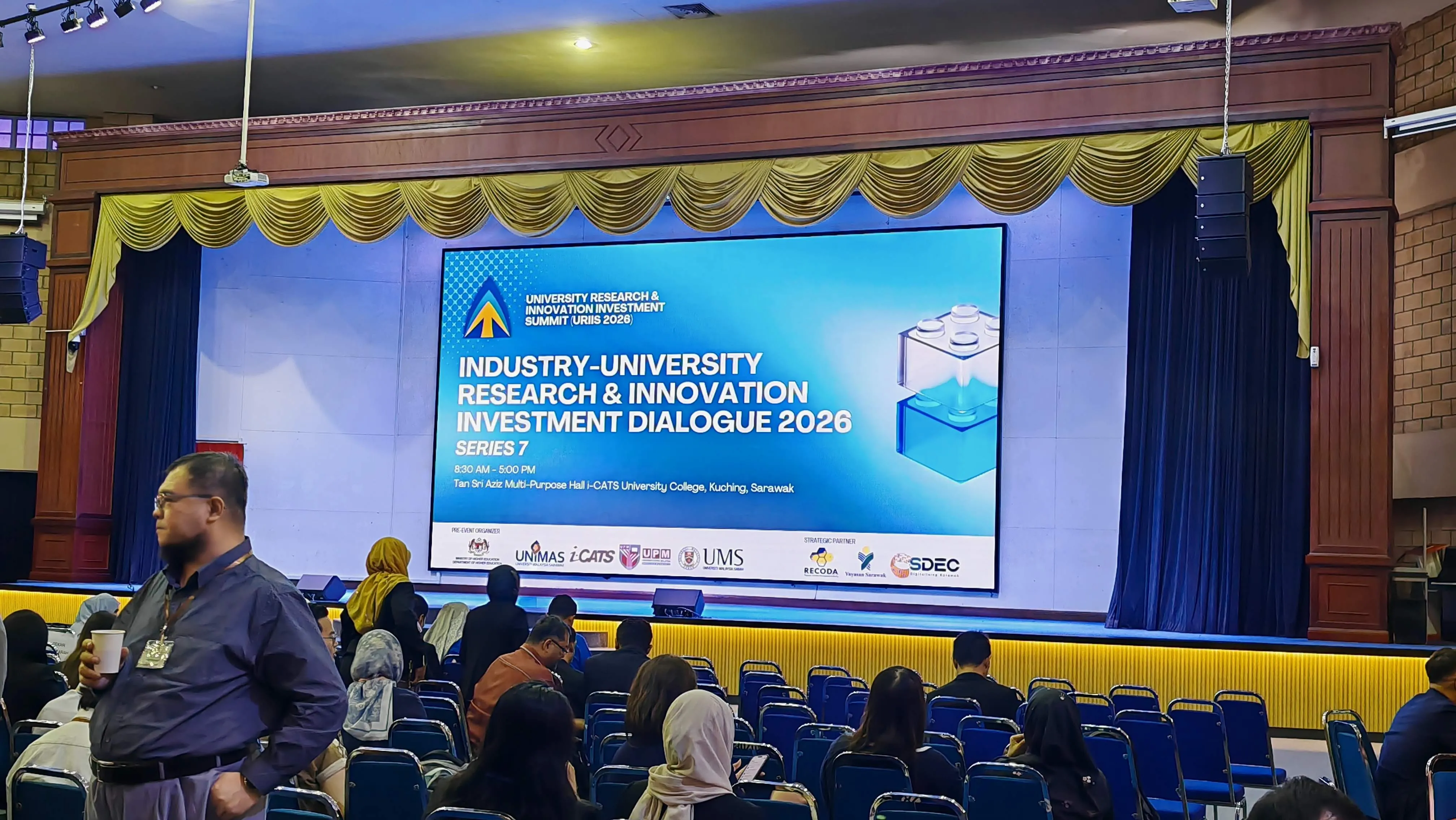
When an enterprise seeks to digitize its physical operations or align with state-level development programs, relying on raw, unoptimized research scripts introduces high execution risks. To convert frontier research into a commercial asset, organizations require a systems architecture layer that refactors academic logic into highly available, scalable, and audit-compliant software engines.
This document deconstructs the institutional frameworks, regional mandates, and architectural pipelines discussed at URIIS 2026, mapping how enterprise software teams can systemically turn localized research initiatives into high-yielding digital assets.
Strategic Regional Alignment: The Borneo Tech Mandate
To satisfy modern multimodal search architectures and algorithmic verification standards (E-E-A-T), technology blogs must reflect real-world evidence of operational compliance. The URIIS 2026 slides lay out an explicit roadmap for industrial and structural software deployment across the region.
The Host and Strategic Partner Matrix
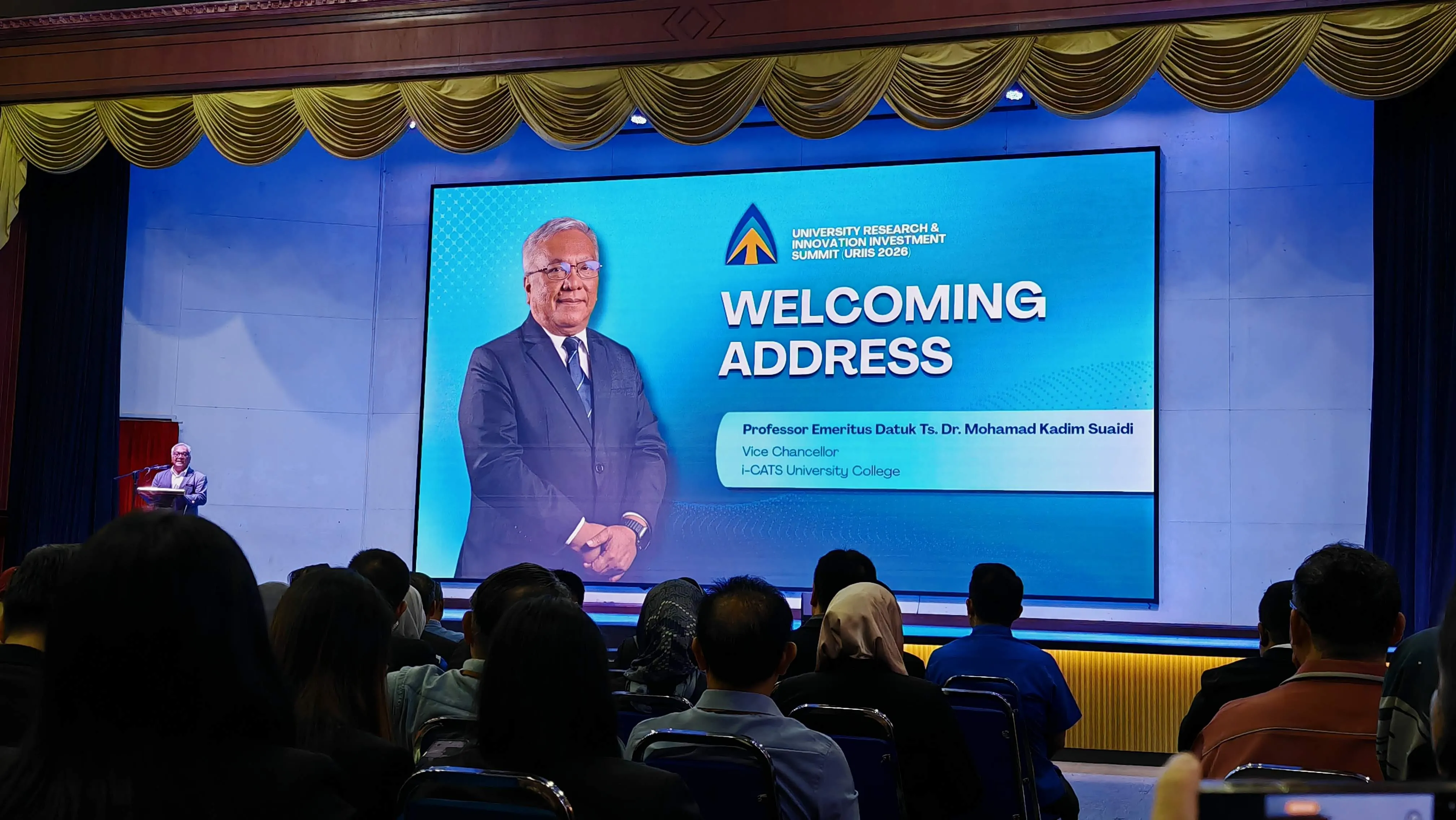
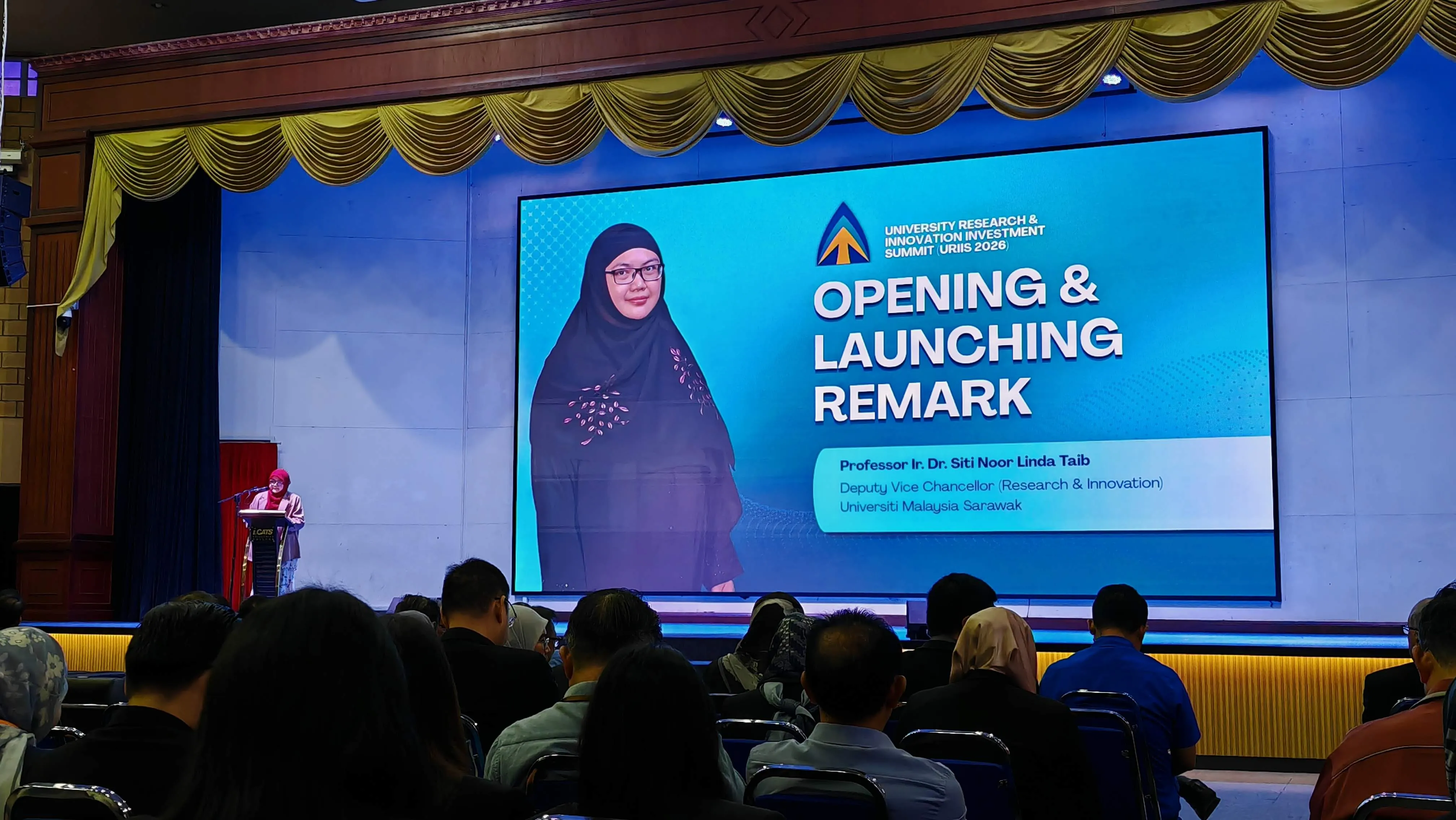
During the high-level addresses delivered by key academic figures—including the welcoming address by Professor Emeritus Datuk Ts. Dr. Mohamad Kadim Suaidi (Vice Chancellor, i-CATS University College) and the opening remarks by Professor Ir. Dr. Siti Noor Linda Taib (Deputy Vice Chancellor of Research & Innovation, Universiti Malaysia Sarawak - UNIMAS)—the summit established a unified development front.
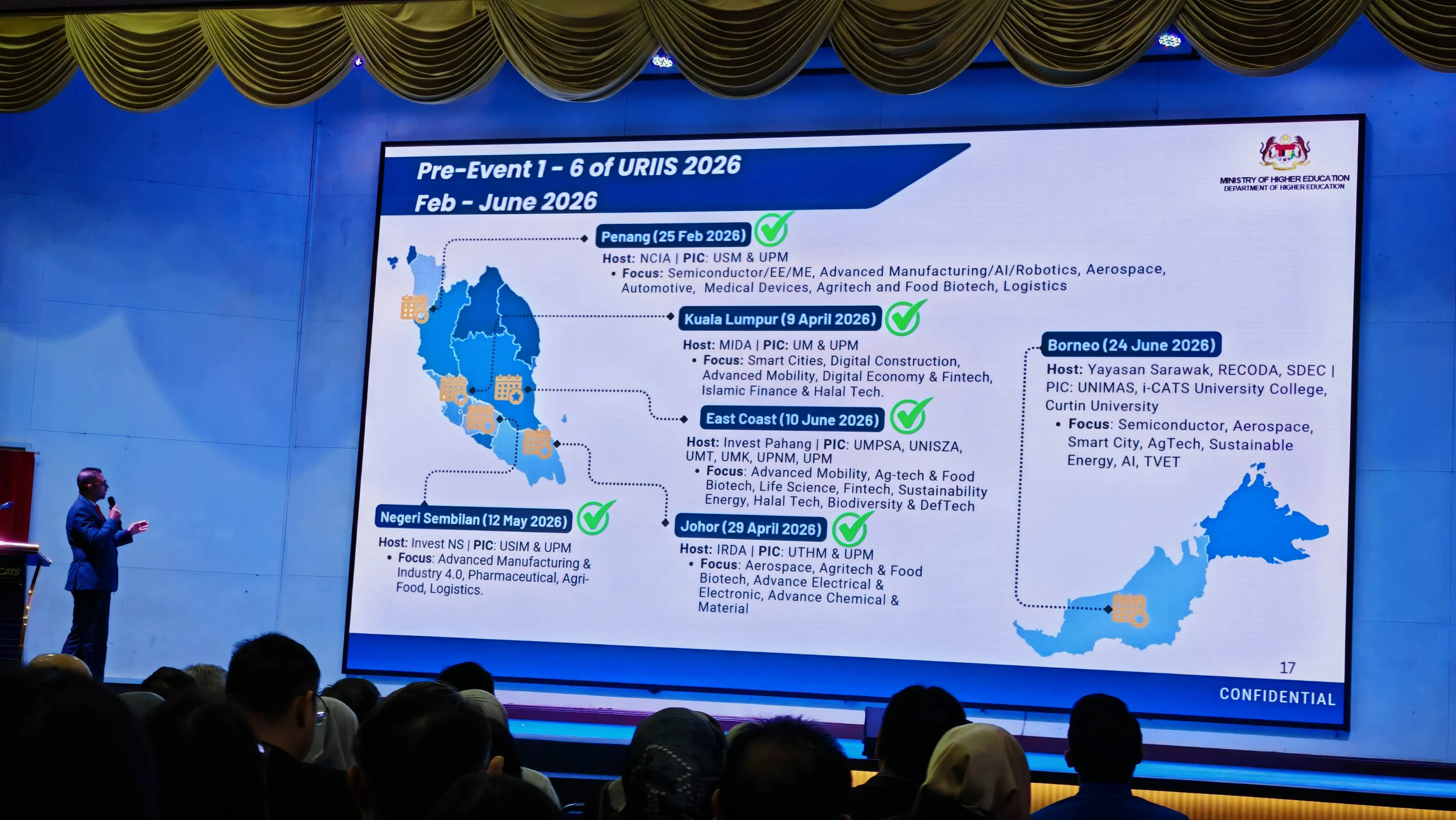
By working directly alongside leading local authorities—including SDEC (Sarawak Digital Economy Corporation), RECODA, and Yayasan Sarawak—the summit defined the exact parameters required for software platforms looking to secure official state validation and backing.
Key Industrial Focus Sectors
Enterprise software applications built to target the Borneo infrastructure pipeline must align with these core technical domains:
- Smart City Digital Architectures: Building software layers for automated traffic management, telemetry sensor arrays, and decentralized utility optimization systems.
- AI-Driven Industrial Workflows: Moving past basic software scripts to deploy highly responsive agentic systems that run continuously to automate high-performance business ops.
- Sustainable Energy Analytics: Developing data platforms to track, optimize, and audit green infrastructure energy usage.
Technical Frameworks: Turning Research into Enterprise Code
To successfully bridge the gap between academic theory and practical commercial software, development teams focus on three specific engineering execution tiers:
Tier 1: Geospatial Big Data Infrastructure
As highlighted in the UNIMAS big data analytics research maps for biodiversity distribution data, managing high-throughput spatial datasets requires robust, decentralized database design.
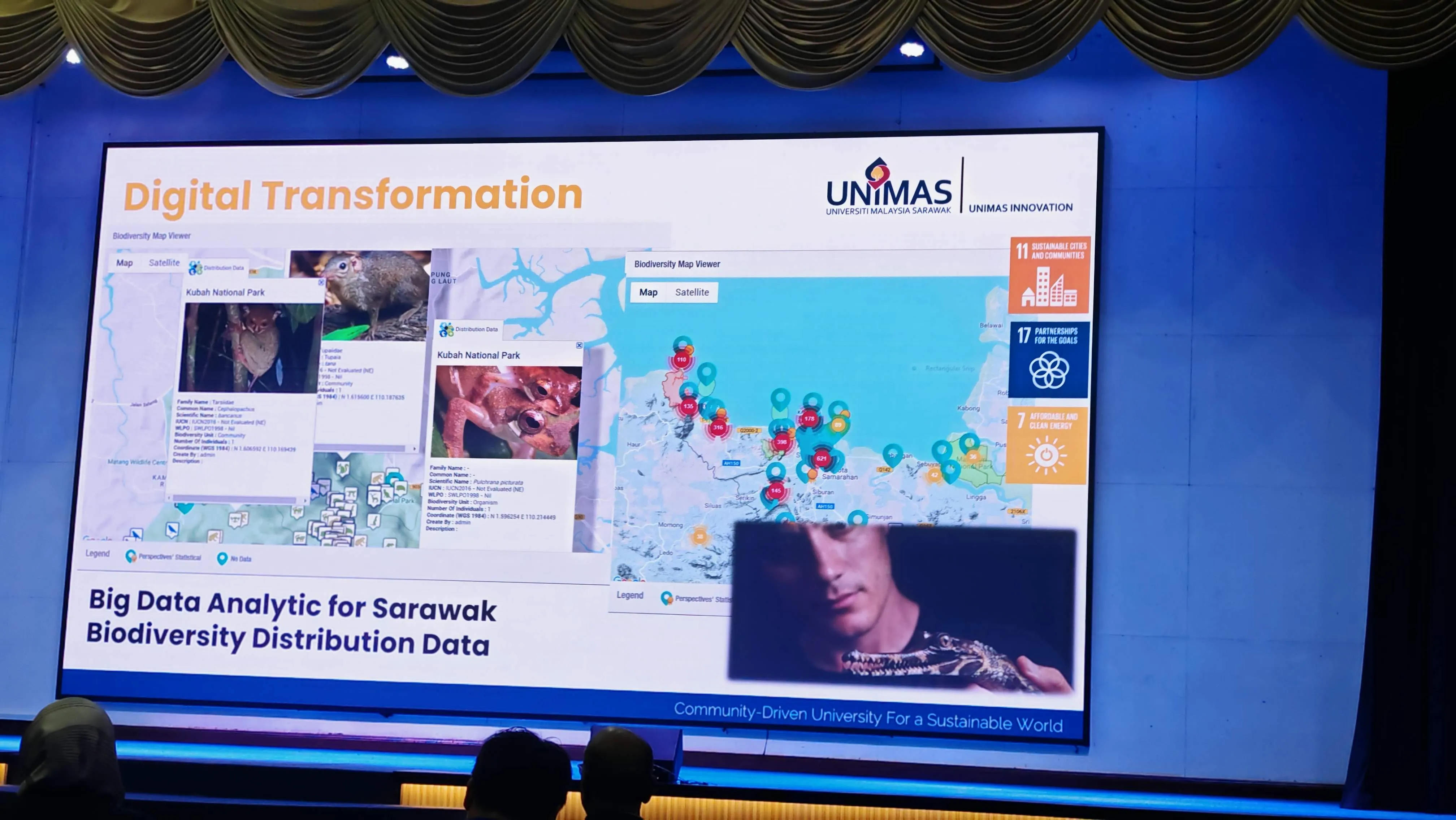
Enterprise development teams must focus on optimizing spatial indexing techniques (such as PostGIS sharding or quadtree partitioning) to ensure massive geographic coordinate arrays render smoothly onto dynamic, low-latency client map viewers without freezing the browser’s layout thread.
Tier 2: Precision Edge Computer Vision
The summit presented a key data acquisition study utilizing UAV-based remote sensing models for tree crown detection, achieving high performance metrics (0.92 Precision, 0.89 Recall, and 0.90 F1-Score).
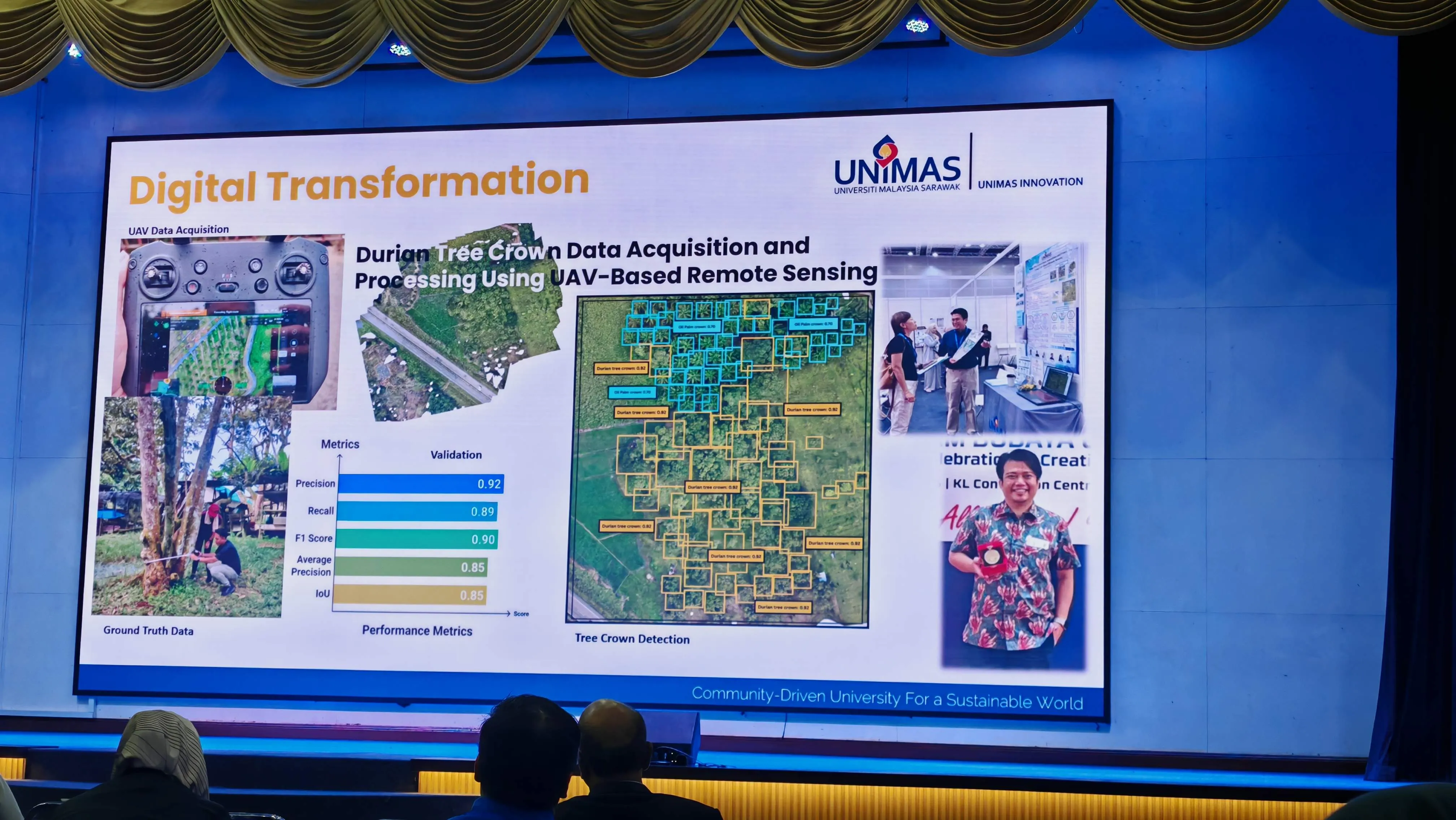
When writing production systems that duplicate these results for agriculture or industry, software architects must build highly optimized image inference loops. This means offloading heavy model predictions to edge-based serverless environments, validating accuracy vectors against verified ground-truth data tables, and using lightweight JSON pipelines to stream results back to web-based management apps.
Tier 3: Automated IoT Control Interfaces
The transition from simple monitoring to active, automated control loops was clearly demonstrated by the IoT-Based System for Micro Organic Farming, funded by the Ministry of Education, Science and Technological Research Sarawak.
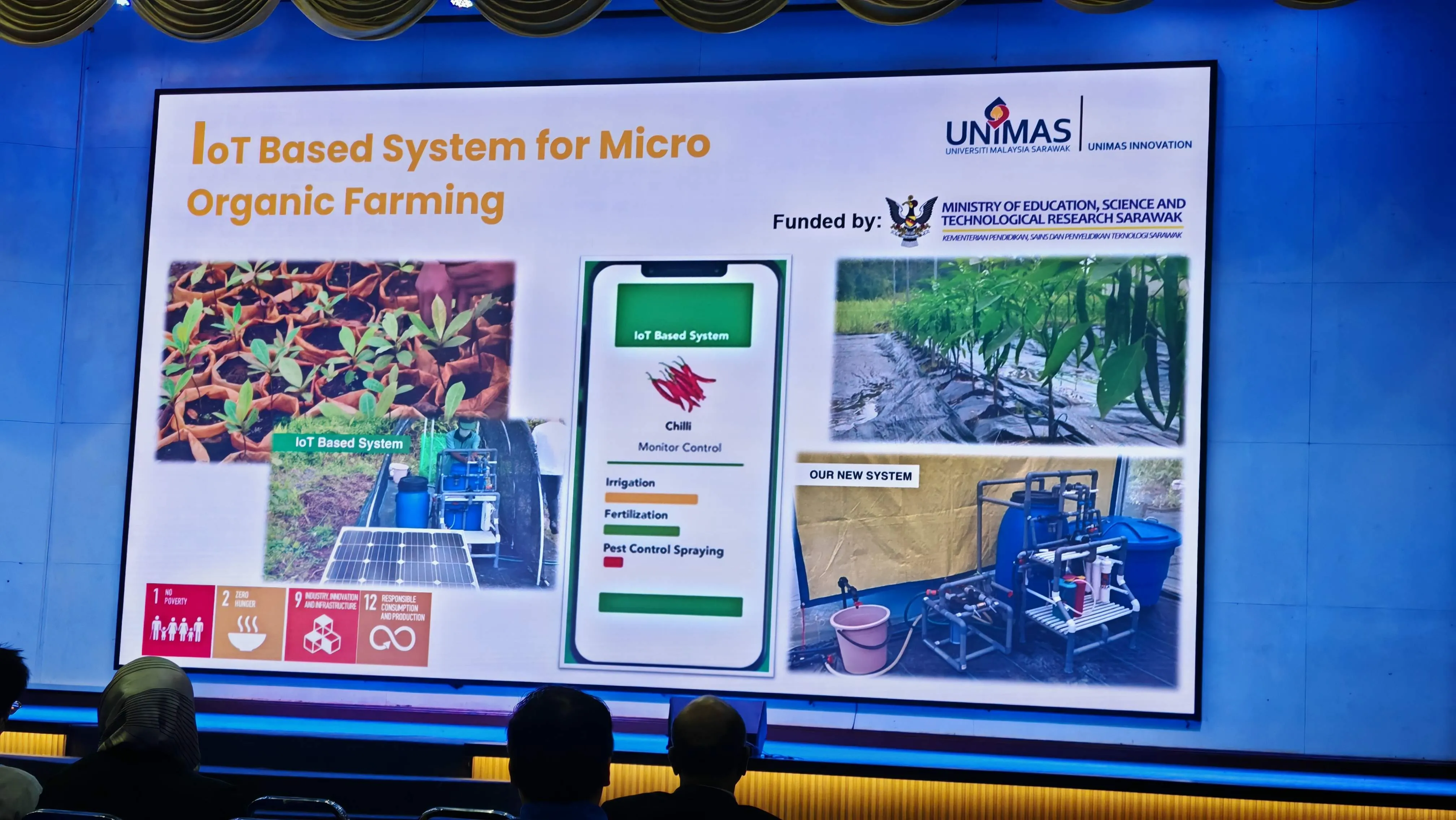
Commercializing this tier requires building highly secure, bi-directional communication pipelines using lightweight protocols like MQTT or gRPC. The software backend acts as an invisible protective layer, processing real-time telemetry inputs (such as irrigation flows, fertilizer mix rates, and automated pest control signals) while maintaining full data integrity logs for corporate compliance audits.
Financial Architecture: Maximizing the Value of Matching Grants
To back these tech transformations with hard economic proof for the corporate financial board, software initiatives must leverage the specialized institutional grant structures mapped out during the summit.
The Applied Research Grant Matrix:
- Social Science Focus Limit: Co-funded project matching grants capped up to RM 10,000.
- Science & Technology Focus Limit: Co-funded project matching grants capped up to RM 20,000.
By utilizing this co-funded applied research structure, an enterprise can offset up to 20% of its initial research and development costs on a standard RM 100,000 baseline deployment.
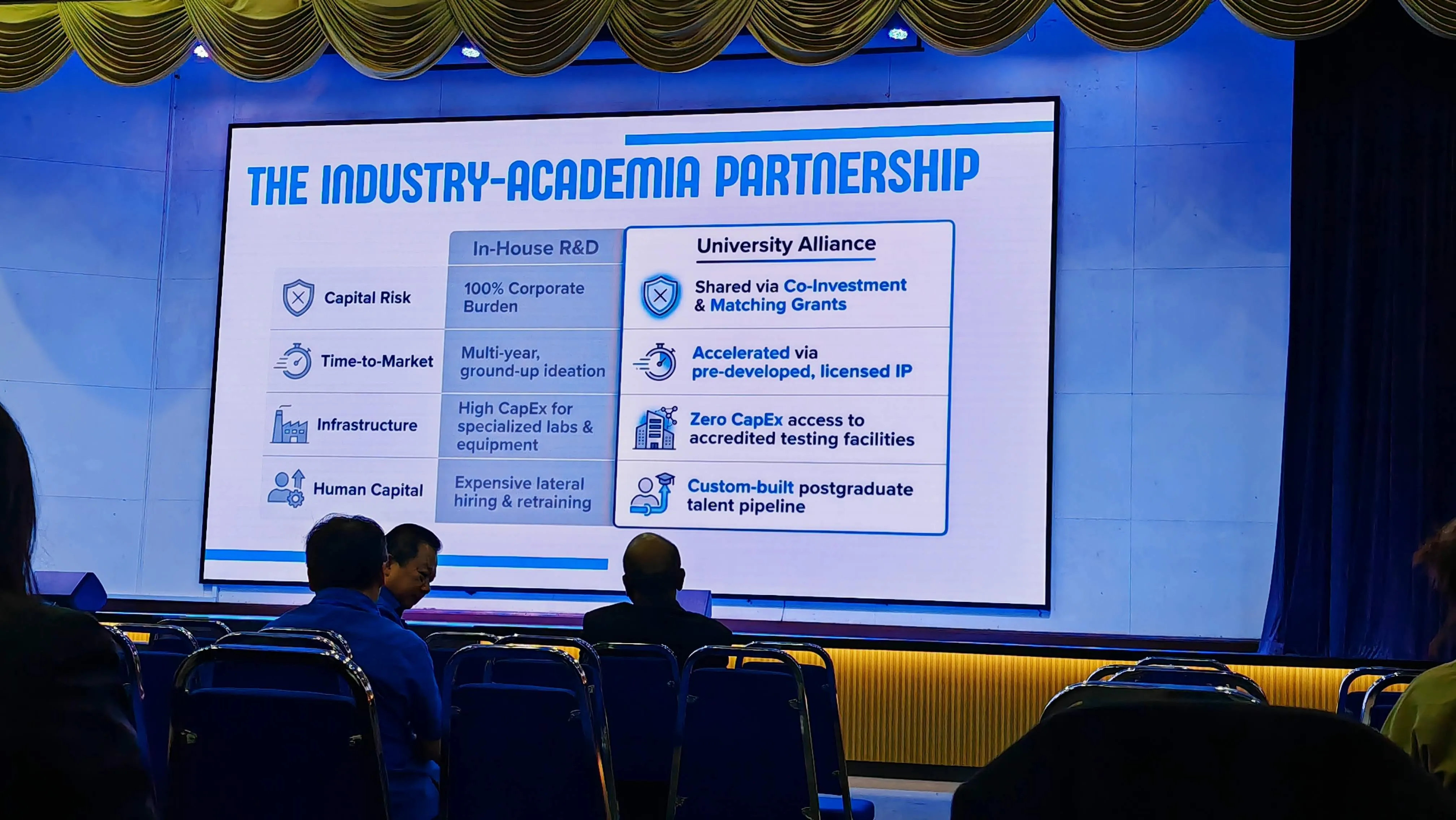
The software system acts as a direct financial amplifier: it securely tracks development metrics, verifies code compliance against the i-CATS Research & Innovation Master Plan (2026–2030), and automatically generates the technical proof-of-work documentation required by matching grant committees to unlock subsequent funding rounds.
Executive Conclusion: Capitalizing on the Innovation Pipeline
The structural data generated at URIIS 2026 proves that treating deep academic research and enterprise software development as completely separate industries is a costly missed opportunity for modern businesses.
While running basic, unoptimized web scripts handles simple day-to-day operations, building your applications to integrate directly with regional tech initiatives transforms your code into a highly valuable commercial asset. For a deliberate allocation of engineering resources, your company can build platforms that align with national tech mandates, qualify for industrial research grants, and secure deep domain authority across the region.
Ultimately, this unified approach transitions your company away from just maintaining isolated code frameworks, moving into a proactive engineering position that turns localized innovation into highly available, production-ready enterprise applications.
If your enterprise software projects are falling behind due to data silos, legacy scaling constraints, or unoptimized integration layers, your digital infrastructure is underperforming. Connect with our principal systems engineering team to secure a comprehensive technical audit.
- Analyze Our Structural Code Blocks: Evaluate our core system logic blocks at /software/.
- Review Our API Integration Layers: View our secure infrastructure connectivity schemas over at /integration/.
- Enterprise Architecture
- Regional Tech Mandates
- E-E-A-T Frameworks
- Grant Commercialization