(Updated: ) · Admin · 3 min read
Cross-Border WMS Integration: Connecting Malaysian Apps with Chinese Warehouse Systems via Reverse DNS
An architectural breakdown of engineering a secure, zero-latency cross-border logistics gateway connecting local Malaysian applications with enterprise WMS backends in China using reverse DNS routing and REST/GraphQL sync hooks.
Managing cross-border supply chain operations between Southeast Asia and mainland China introduces significant technical hurdles: cross-border network latency, dynamic IP routing, complex firewall rules, and disparate data schemas between local customer-facing applications and overseas enterprise Warehouse Management Systems (WMS).
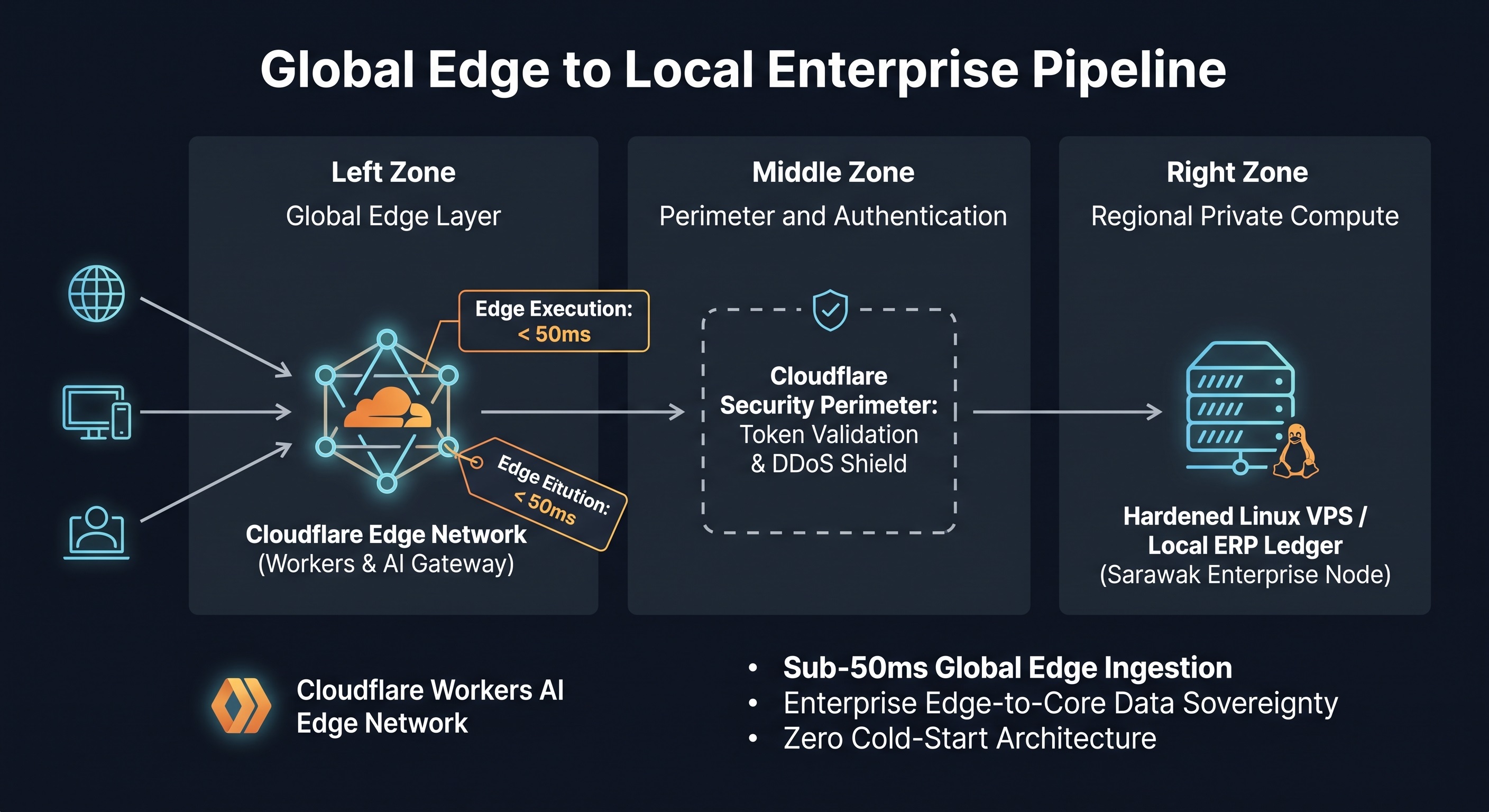
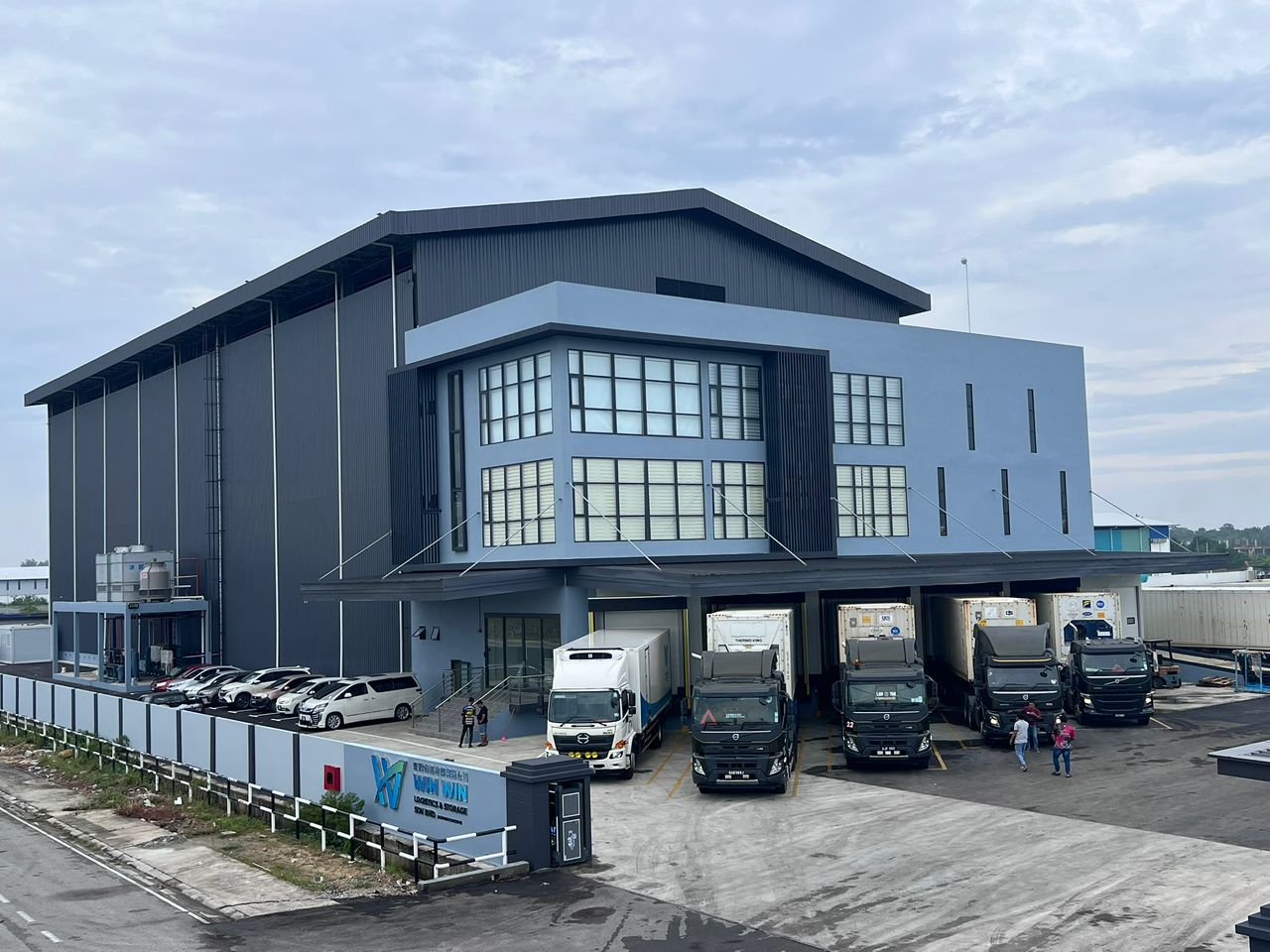
To resolve these operational bottlenecks, MicroWeb engineered a sovereign, high-availability integration gateway linking local Malaysian application platforms for Win Win Logistics natively with enterprise WMS infrastructure hosted in China via reverse DNS routing at winwinwms.cn:38329.
Here is an architectural post-mortem on how we built and deployed this cross-border integration.
1. The Architectural Challenge: Cross-Border Network Disconnect
Local logistics teams and B2B clients in Malaysia require sub-second order placement, instant consignment status checks, and real-time stock availability flags. However, direct client-side queries originating from Malaysia to inland Chinese server IPs suffer from connection drops, high packet loss, and severe routing latencies.
Key Obstacles Solved:
- Erratic Marine & Satellite Latency: The remote fulfillment hub relies on Starlink satellite internet where fixed static IP subscriptions are cost-inefficient and WAN IPs shift dynamically behind CGNAT boundaries.
- Dynamic IP & Firewall Barriers: Overseas enterprise WMS nodes require strict whitelist routing without exposing raw database ports to public network scans.
- Unsynchronized Database Schemas: Translating real-time consignment states, customs clearance flags, and warehouse bin coordinates into local mobile/web layouts without data loss.
2. Dynamic Reverse DNS & Starlink Satellite Gateway
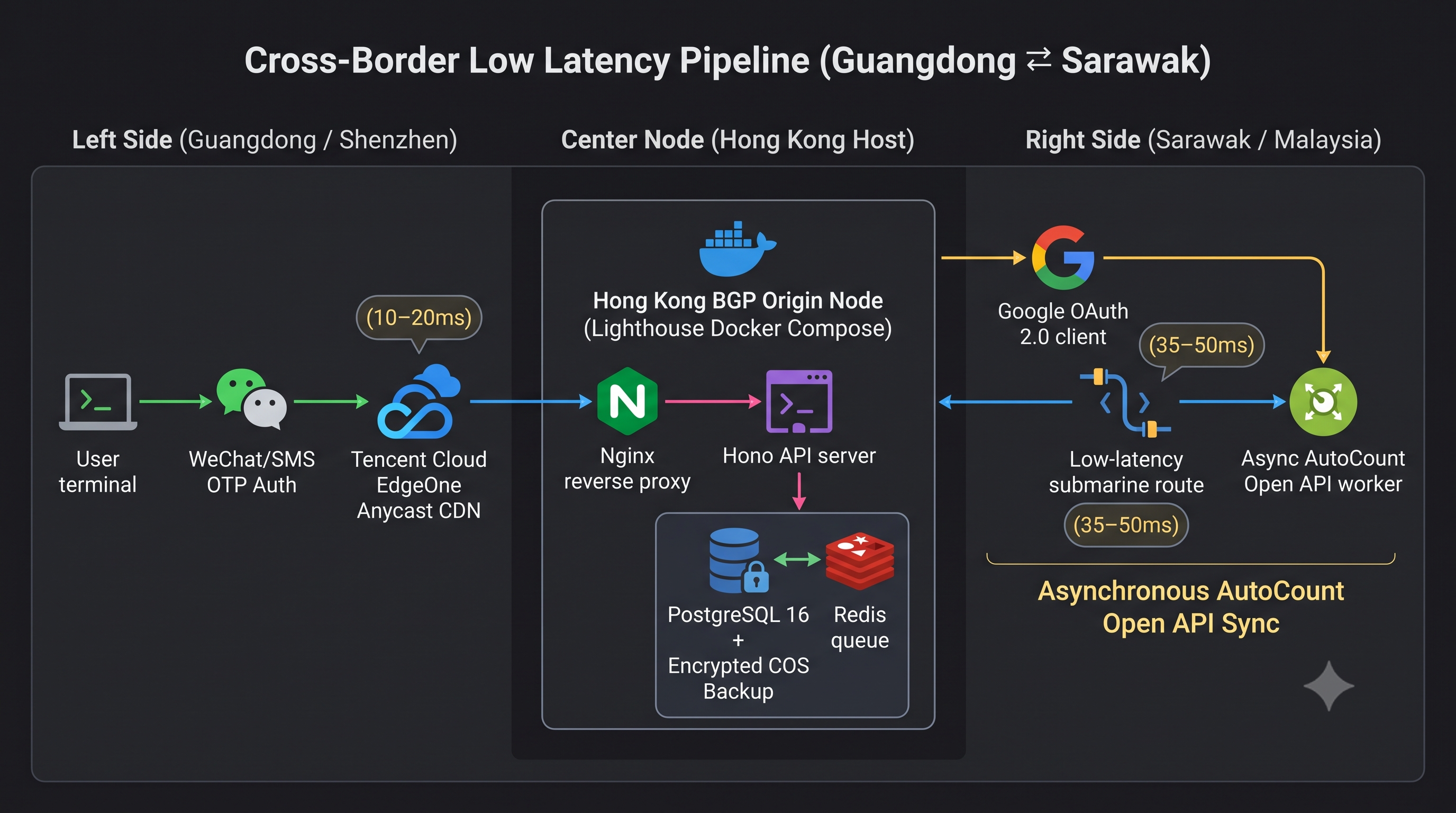
Rather than paying heavy monthly static IP fees for Starlink connections or forcing local Malaysian users through slow VPN tunnels, we architected a Dynamic Reverse DNS (DDNS) & Reverse Proxy Integration Layer.
[Malaysian App / Web Frontends]
       │
       ▼
[MicroWeb Edge Gateway Proxy (Malaysia)]
       │ (Encrypted Payload & Dynamic Reverse DNS Tunnel)
       ▼
[Starlink Satellite Connection (China Hub)]
       │
       ▼
[Win Win WMS Node (http://winwinwms.cn:38329)]
Technical Blueprint:
- Dynamic Reverse DNS Tunneling (
http://winwinwms.cn:38329): Deployed automated reverse DNS health scripts that dynamically resolve fluctuating Starlink satellite WAN IPs. The proxy maintains an unbroken, encrypted data bridge between Malaysian client apps and the China WMS backend without expensive static IP contracts. - Asynchronous Webhook Event Queues: Incoming order dispatches and consignment updates are queued inside non-blocking event buffers, preventing frontend application lockups during satellite pass-over transitions or cross-border network blips.
- Bi-Directional Schema Transformation: Programmed middleware transformation pipelines that map incoming Chinese WMS data payloads straight into standardized JSON/SQL structures consumed natively by local Malaysian web and mobile interfaces.
3. Real-Time Consignment & Inventory Synchronization
To guarantee that field staff, logistics drivers, and enterprise clients receive instantaneous status updates:
- Automated Manifest Ingestion: Warehouse receipt confirmations and packing lists scanned at Chinese fulfillment hubs stream directly through the reverse DNS gateway.
- Local Cache Ingestion: Crucial inventory levels and parcel tracking tags are cached at regional edge nodes in Malaysia, allowing local clients to query tracking statuses with sub-second response speeds.
- Automated Exception Handling: If cross-border network links fluctuate, local transaction logs buffer securely on edge nodes and auto-commit to the primary WMS as soon as connectivity restores.
The Operational Outcome
By engineering a sovereign reverse DNS integration bridge connecting Win Win Logistics with winwinwms.cn:38329, we transformed a fragmented, high-latency cross-border process into a zero-management digital asset.
Production Results:
- Zero Cross-Border Data Drops: 100% consignment transaction consistency across Malaysia-China logistics routes.
- Sub-Second Local Tracking Queries: Local users check real-time parcel statuses without experiencing overseas server delays.
- Hardened System Sovereignty: Local database instances operate isolated behind edge firewalls while maintaining seamless inventory synchronization with Chinese enterprise backends.
- Systems Integration Portfolio: Explore our complete repository of enterprise software, API bridges, and cross-border engineering projects
- Systems Integration
- Supply Chain & Logistics
- Cross-Border Architecture
- API Engineering