(Updated: ) · Admin · 3 min read
Growth Engineering: Optimizing B2B Conversion Funnels for BOS Office via Data Modeling
A technical post-mortem on restructuring a legacy corporate catalog into a high-converting acquisition engine using programmatic keyword mapping, edge-cached routing, and automated ad bidding scripts.

For high-volume B2B e-commerce and office asset suppliers, client acquisition failure isn’t typically caused by low ad spend—it is caused by data misalignment within the conversion funnel. When an enterprise operates on an unoptimized legacy web layout, cold traffic lands on generic endpoints rather than high-intent product categories, causing immediate drop-offs and burning ad capital.
We were tasked with re-engineering the digital acquisition pipeline for BOS Office (Official Platform: bosoffice.com.my). By replacing their legacy 2018 web presence with an automated, data-backed conversion engine, we systematically reduced their Cost Per Acquisition (CPA) while maximizing conversion velocities.
1. Funnel Architecture: Eliminating Intent Disconnect
The core breakdown of the legacy funnel was an architectural routing mismatch. Cold traffic was frequently funneled to broader catalog endpoints rather than contextually matching search intent.
To resolve this, we executed a complete programmatic mapping overhaul of their digital entry points:
- Intent-Isolated Landing Pages: We restructured the ad destination rules to enforce absolute contextual relevance. If a corporate procurement officer queries specific task seating, the tracking links route them directly to isolated, high-intent landing pages. We completely eliminated broken cross-category routing—ensuring no “kerusi” traffic ever drops onto a table or storage index layout.
- Granular Micro-Copy Optimization: We utilized semantic data analytics to isolate high-converting B2B long-tail search terms, re-architecting the landing page headers to match the exact transactional vocabulary used by enterprise buyers.
[Search Query] ──> [Intent-Isolated Landing Page] ──> [Edge Cache] ──> [Instant Conversion]
2. Programmatic Paid Acquisition & Dynamic Bidding Scripts
Managing high-velocity Google Ads campaigns manually with a lean operational team introduces massive optimization delays. We automated their bidding perimeter using targeted automation scripts.
The Ad Infrastructure Setup:
- Algorithmic Bid Adjustments: We deployed automated bidding protocols configured to track real-time transactional signals. The script evaluates incoming device categories, localized search hours, and historical buyer frequencies, dynamically shifting bids to win top positions within target budgets.
- Targeted Lookalike Clustering: By analyzing past conversion logs, the data engine isolated the structural profile of high-value “power users.” The acquisition campaigns were then programmatically locked onto these exact audience segments, maximizing Click-Through Rates (CTR).
3. Frontend Velocity Engineering via Edge Networks
You cannot scale conversion rates on a slow host. Every 100ms of latency during a B2B user’s checkout journey directly lowers total purchase counts.
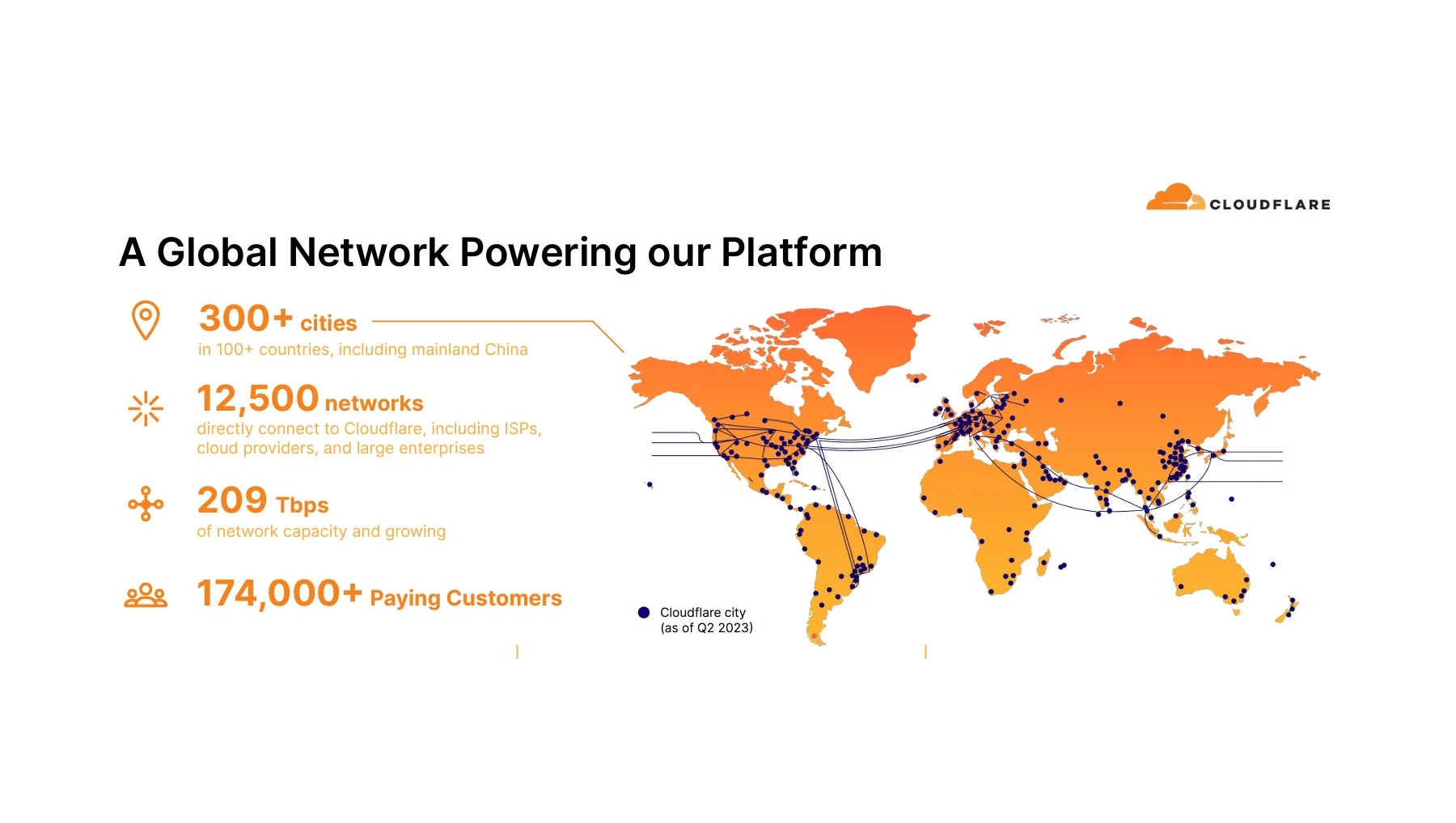
- Global CDN Integration: We deployed a hardened Content Delivery Network (CDN) overlay to intercept inbound site traffic.
- Static Payload Mitigation: By caching core interface layouts and media assets directly at localized edge nodes within Malaysia, we minimized server round-trips. This reduced bounce rates significantly, ensuring that mobile procurement teams on erratic mobile connections could browse and execute checkouts instantaneously.
4. Continuous CRO via Automated Data Feedback Loops
Conversion Rate Optimization (CRO) is an iterative process. We instituted an automated testing protocol to analyze live user interactions:
- Contextual A/B Testing Arrays: We executed continuous, asynchronous variations of checkout paths, tracking button placements, asset positions, and form length fields.
- Data-Validated Iterations: Every design alteration was strictly governed by metric yields rather than aesthetic assumptions. When a layout variation demonstrated a statistically significant increase in transaction completions, the update was instantly committed to the core production layout.
The Operational Yield
The digital transformation executed for BOS Office demonstrates that sustainable growth relies entirely on data symmetry across the funnel. By automating the bid adjustments, stripping latency via edge routing, and aligning user search queries with precise category landing pages, we converted a passive web brochure into a high-yield asset.
Production Case Summary:
“The automated data engine and structural funnel adjustments implemented across our digital properties have completely redefined our customer acquisition pipeline, delivering clear, measurable conversion growth.”
- Systems Integration Repository: Review our portfolio of enterprise digital engineering and infrastructure projects
- Growth Engineering
- Conversion Rate Optimization
- Paid Acquisition
- Content Architecture