(Updated: ) · Admin · 4 min read
High-Availability DevOps: Engineering the Digital Infrastructure for #SCEKL25
An architectural deep dive into how we managed zero-downtime, sub-second latency, and synchronized API payloads for 21,895 international attendees during a 3-day high-traffic state launch.
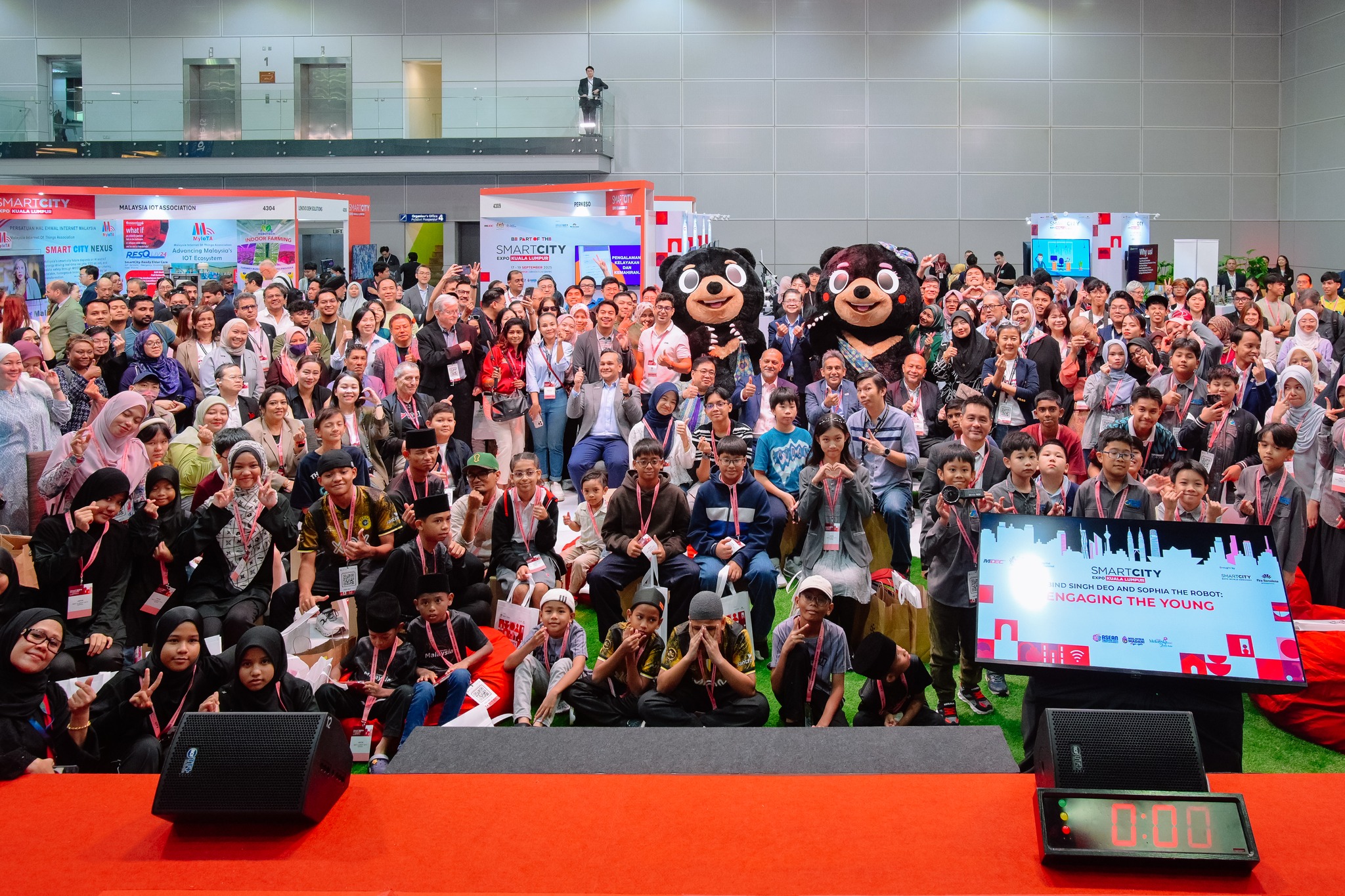
When a digital platform anchors a major international summit, web performance ceases to be a frontend design metric—it becomes a critical operational dependency. During a high-stakes, 3-day international event, unexpected downtime or database serialization bottlenecks can instantly disrupt registration lanes, compromise live broadcasts, and impact corporate presentation streams.
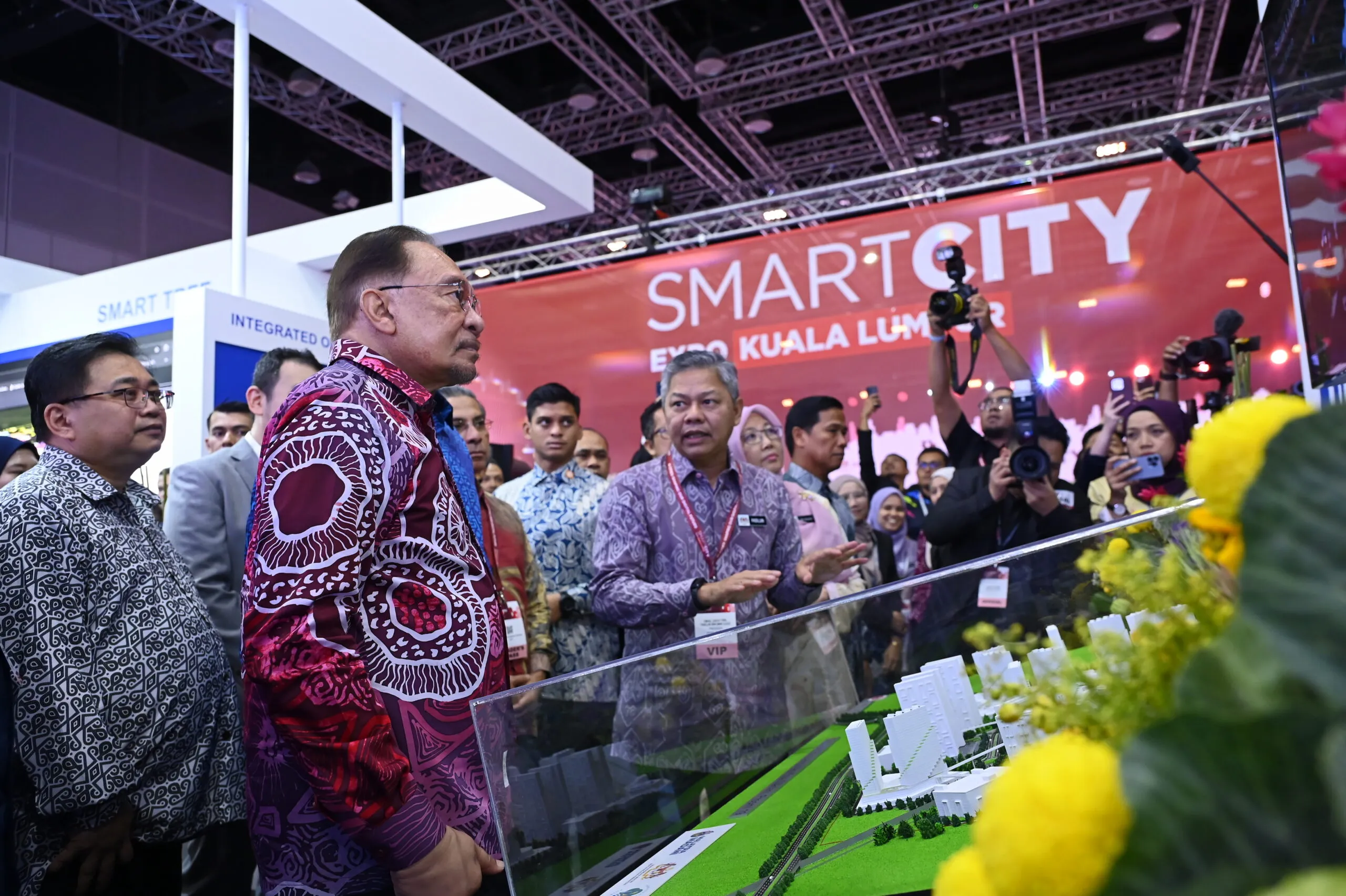
For #SCEKL25 (Official Portal: mdec.my/smartcityexpokl), which hosted 21,895 attendees from 64 countries, we architected and managed the core digital platform. The infrastructure was engineered to completely dissolve into the background, maintaining flawless availability under peak concurrent traffic spikes, particularly during the Day 2 official launch presided over by the Prime Minister of Malaysia.
Here is the technical breakdown of how we engineered the environment for absolute stability.
1. High-Performance Content Architecture & Asset Management
To accommodate lightning-fast schedules and real-time speaker adjustments without triggering layout thrashing or browser rendering lag on mobile devices, we bypassed heavy database lookups for standard static queries.
- Decoupled Template Optimization: The user interface was structured around a decoupled content layer, ensuring that schema alterations to the main schedule or floor plan assets compiled and refreshed instantly across the client-side environment.
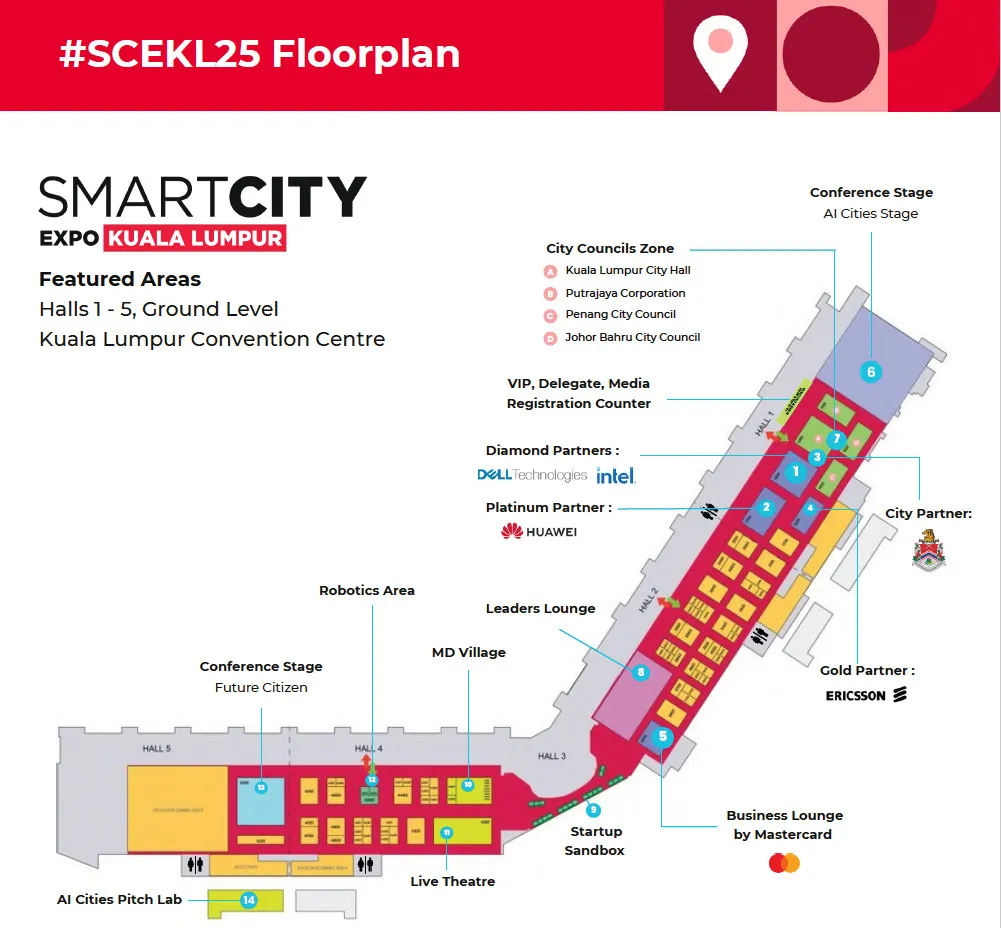
- Low-Latency Asset Pipelines: Large-scale components—such as detailed vector maps and high-resolution spatial floor plans—were processed through lossy compression pipelines and served via explicit edge-caching arrays, dropping layout shift variables to zero.
2. Custom CMS Extensions & State Synchronization
Standard, off-the-shelf templates cannot handle localized personalized scheduling without severely increasing client-side request overhead.
- Bespoke Widget Architecture: We engineered dedicated CMS extensions and custom scheduling widgets running on lightweight client-side scripts.
- State Isolation: This allowed users to assemble dynamic, personalized “My Schedule” breakout paths natively in their browser cache. This strategy reduced server-side session overhead to absolute zero, protecting our core compute resources from standard concurrency collapse.
3. Server, CDN, & Networking Health Perimeter
Our primary objective was surviving the extreme concurrent traffic spike when thousands of onsite users simultaneously queried the platform for live stream endpoints and schedule updates during the main launch window.
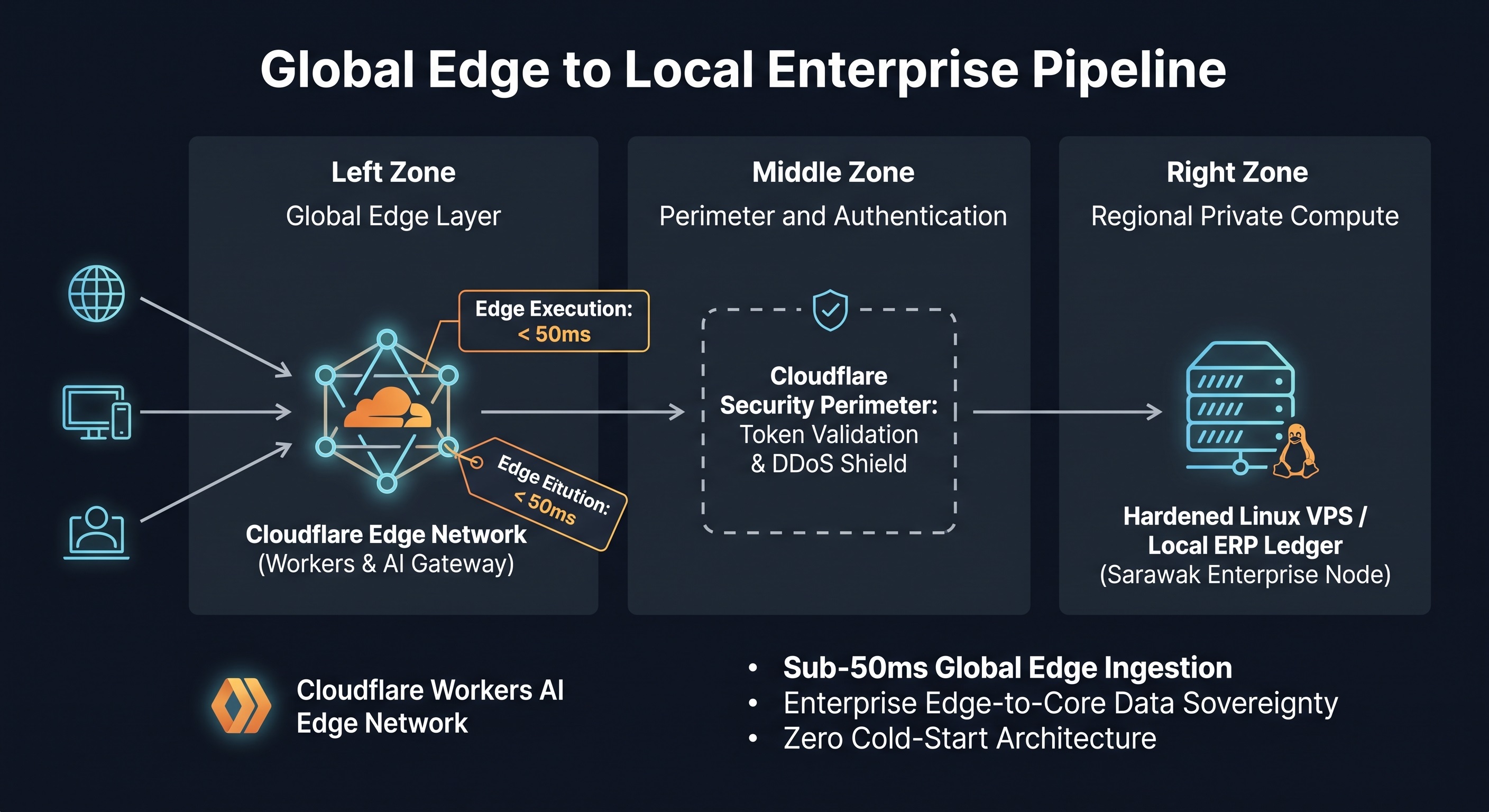
[Onsite Users + Remote Streams] ──> [Cloudflare Edge Shield] ──> [Hardened Reverse Proxy] ──> [App Engine Cluster]
Operational Deployment Vector:
- The Edge Shield Layer: We deployed a highly aggressive edge-caching layer via a global CDN array, ensuring that over 90% of static content queries and media payloads were caught and served directly from regional edge nodes.
- Continuous System Telemetry: Our team maintained a continuous 3-day live monitoring standby. We tracked active memory utilization, packet delivery latency, and network engine states to dynamically mitigate connection bottlenecks before they could impact end-user interactions.
4. Friction-Free Third-Party API Integration
A significant point of failure for high-volume platforms is third-party API gridlock. If a registration hook or transactional calendar confirmation stalls, the core application thread can lock up.
- Asynchronous Integration Layers: We isolated all external third-party transactional gateways, payment endpoints, and automated calendar webhook processes into asynchronous event queues.
- Failsafe Data Routing: By decoupling these transactional confirmation steps from the primary user interface rendering loop, we guaranteed that external latency dependencies could never degrade the performance or load times of the frontend storefront application.
5. Defensive UI/UX Engineering
Our interface execution focused on reducing visual friction and optimizing input pipelines. We engineered components to load content based on viewport priority:
- Critical Asset Deferral: Non-essential assets and analytical trackers were systematically deferred to load only after the primary interactive components completed rendering.
- Mobile-First Data Constraints: The entire digital ecosystem was optimized for real-world conference Wi-Fi and congested cellular networks, ensuring clean, predictable readability and fast execution across varying viewport sizes and device architectures.
Structural Collaboration & System Verification
Executing an infrastructure operation of this scale required systematic, cross-functional collaboration. For five months leading up to the launch, our team worked in tandem with the internal #SCEKL25 Events and Marketing Teams to conduct automated load testing, staging iterations, and runtime drills.
The resulting zero-downtime execution stands as definitive proof of our underlying system philosophy: Prioritize structural integrity, eliminate backend complexity, and engineer for failure containment.
- Production Portfolio: Explore our full repository of live enterprise deployments and system architectures
- DevOps Engineering
- Web Performance
- High-Availability CMS
- Load Optimization